Super Dad Svg Design: An Embroidery Review
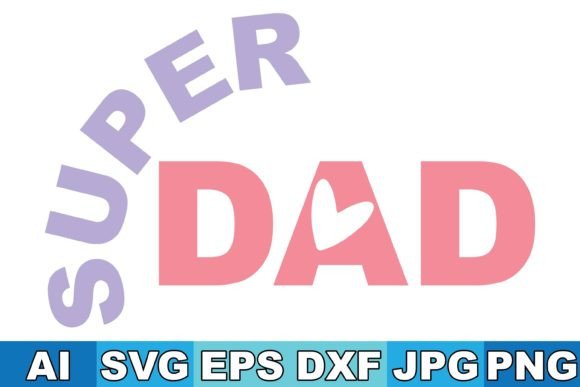
When evaluating digital assets for physical production, the transition from screen to stitch is where the real test begins. As a designer who regularly bridges the gap between vector graphics and textile art, I approach the Super Dad Svg Design with a critical eye toward manufacturability. While this file package includes AI, SVG, PNG, JPG, DXF, PDF, and EPS formats suitable for scrapbooking, vinyl decals, and card making, my primary focus here is its viability as a machine embroidery design. For craft business owners and Etsy sellers, understanding how this graphic translates into thread is essential for creating high-quality custom apparel and personalized gifts that withstand washing and wear.
Visual Personality and First Impressions
The Super Dad Svg Design immediately communicates a sense of playful nostalgia and warmth. Visually, it leans into a retro comic book aesthetic or a bold badge style, which is currently trending in the handmade product market. The layout feels balanced, suggesting it was created with intention rather than being a generic clip-art afterthought. For an embroidery project, this kind of visual hierarchy is crucial. The bold lines and distinct shapes indicate that the design will likely digitize well, avoiding the muddy details that often plague intricate graphics when reduced to thread.
From a branding perspective, this design carries enough personality to serve as a standalone seller for Father’s Day collections or year-round dad merchandise. It strikes a balance between novelty and sentimentality, making it appropriate for both humorous shop products and sincere family gifts. However, because the source files are vectors intended for multiple crafts, the success of the finished product depends entirely on proper digitization. The clean lines in the SVG suggest excellent potential for satin stitch borders, while the solid color blocks are ideal candidates for fill stitch areas or applique design techniques.
Real-World Application: The Custom Sweatshirt Test
To truly judge this asset, I mentally placed it in a specific production scenario: a heavyweight cotton sweatshirt intended as a personalized gift for a new father. Sweatshirt embroidery presents unique challenges due to the fabric texture and stretch. In this context, the Super Dad Svg Design performs best when treated as a chest placement or a centered back print.
If I were preparing this for a client, I would avoid placing the design directly over thick seams or ribbing, as the stitch density required to cover the fleece backing could cause puckering. The bold nature of the graphic allows for slightly heavier stabilizer use without showing through the garment face. For a boutique product listing, this design offers excellent mockup potential. The high-resolution PNG included in the download allows for crisp printable mockups to validate customer interest before committing to stitching samples. This workflow saves time and materials for small shop product development.
Furthermore, this design lends itself beautifully to mixed-media approaches. An enterprising maker could use the DXF file to cut a felt or twill base using a cutting machine, then use the embroidery file to stitch over it as an embroidered patch. This applique method reduces total stitch count significantly compared to a full-fill design, resulting in a softer hand feel on baby embroidery items or lightweight tees while maintaining the vibrant visual impact of the original Super Dad Svg Design.
Navigating Fabric Limitations and Hoop Constraints
While the graphic is versatile, practical application requires caution depending on the substrate. Not every fabric is a friend to bold, graphic designs.
- Stretchy Performance Fabrics: If applying this to moisture-wicking athletic wear, the stitch density must be managed carefully. Too much coverage will create a "bulletproof vest" effect that distorts the drape. Use a lighter fill stitch or convert solid areas to running stitch outlines.
- Textured Linens and Towels: For tea towels or aprons, the fine details in the lettering may get lost in the weave. Always use a water-soluble topping to keep stitches on the surface. The bold outer elements of the Super Dad Svg Design will hold up, but interior script may require simplification.
- Curved Surfaces: When adapting this for cap embroidery, horizontal distortion is inevitable. The design may need to be arched or resized to fit the limited vertical space of a hat front without losing legibility.
- Dark Fabrics: Since the download includes vector formats, you have the flexibility to adjust colors before digitizing. Ensure there is sufficient contrast between the thread colors and the dark background. A white underlay or outline is often necessary to make the design pop on navy or black garments.
Small hoop sizes also present a challenge. If your machine only accommodates a 4x4 hoop, verify that the critical details of the Super Dad Svg Design remain legible at that scale. Tiny text often turns into unreadable bumps when scaled down too aggressively. In such cases, consider splitting the design or removing secondary taglines to preserve the integrity of the main motif.
Professional Notes for Commercial and Personal Use
For those selling finished products or digital embroidery files derived from this asset, professional diligence is non-negotiable. Before listing any item on Etsy or at a craft fair, conduct a sew-out test on scrap fabric that matches your final product. Check the registration marks; if the satin stitch borders pull away from the fill stitch center, your tension or stabilizer choice needs adjustment. This step prevents costly rework and protects your reputation as a maker.
Thread color selection should be deliberate. Do not rely solely on screen colors. Pull physical thread samples against the fabric to ensure the mood matches the "Super Dad" theme. Sometimes a matte rayon thread conveys a vintage feel better than a high-sheen polyester, depending on the desired outcome for the handmade product.
Crucially, review the licensing terms associated with the Super Dad Svg Design. The product description confirms inclusion of various file formats for diverse uses, but you must verify whether commercial embroidery rights are included. Some licenses permit selling physical embroidered items but prohibit reselling the digital embroidery file itself. Clarifying this distinction protects your business from intellectual property issues. Additionally, always credit the original designer in your listings if required by the license; this transparency builds trust with customers who value ethical sourcing in the creative community.
Elevating Product Value Through Execution
Ultimately, the value of the Super Dad Svg Design lies not just in the digital file, but in the craftsmanship applied during production. A well-executed version of this design signals professionalism. Clean trims, proper stabilization, and thoughtful placement transform a simple graphic into a cherished keepsake. Whether used for holiday embroidery, a bespoke tote bag design, or a line of commercial apparel, the attention to detail determines the perceived worth.
Buyers engage with products that look intentional. By treating this vector asset as a blueprint for textile art rather than a quick print-and-stitch solution, you elevate your brand consistency. Test black and white mockups to ensure the design reads well in grayscale photography, as many customers browse on mobile devices with varying screen brightness. Confirm that the design assets work harmoniously with your existing shop aesthetic.
In summary, the Super Dad Svg Design is a robust foundation for creators willing to put in the technical work. It offers strong visual appeal and versatility across Crafts and Graphics categories, provided the user respects the physics of thread and fabric. By validating hoop size compatibility, optimizing stitch density for specific materials, and adhering to licensing guidelines, makers can confidently integrate this design into profitable, high-quality product lines that resonate with their audience.