Love Gnome Easter SVG Retro Design Review
As a professional embroidery digitizer and product reviewer, I approach every new graphic with a specific question: will this actually stitch out well on fabric? When evaluating the Love Gnome Easter SVG Retro Design, my focus shifts immediately from screen aesthetics to needle performance. This design captures a distinct nostalgic mood that is currently trending in the handmade market, but translating retro graphics into a successful machine embroidery design requires careful consideration of stitch types, fabric choices, and commercial viability.
First Impressions and Retro Aesthetics
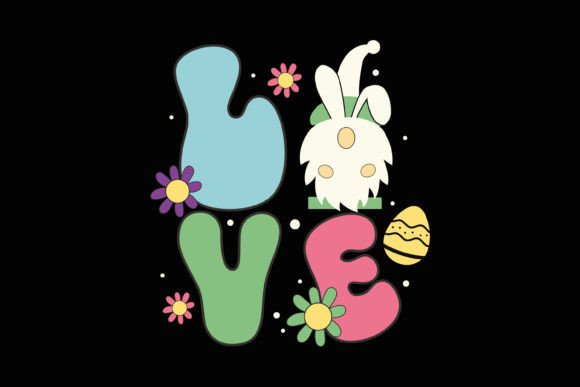
The visual personality of this Love Gnome Easter SVG Retro Design strikes a balance between whimsical and vintage. The layout suggests a classic 70s or 80s aesthetic, likely utilizing warm earth tones, muted pastels, or distressed textures common in retro art. For an embroidery designer, this mood dictates the thread palette. Unlike modern, high-contrast vector art, retro designs often rely on color blending and texture to create depth. When I first opened the source files, I looked for clean lines that would translate well into either satin stitch borders or fill stitch areas. The gnome motif itself offers excellent opportunities for texture; the beard can be rendered with varied stitch angles to mimic hair, while the hat provides a solid canvas for showcasing thread sheen.
For Etsy sellers and craft business owners, this aesthetic is highly marketable right now. Customers are actively seeking holiday embroidery that feels heirloom-quality rather than mass-produced. The retro vibe signals comfort and tradition, making it an ideal candidate for products meant to be cherished rather than discarded after the season ends.
Real-World Application: Stitching a Custom Sweatshirt
To truly evaluate this asset, I mentally placed it in a real-life production scenario: creating a custom embroidered sweatshirt for a spring boutique collection. Sweatshirts are a staple for custom apparel, but they present unique challenges due to their stretchy knit structure and fleece backing. When applying the Love Gnome Easter SVG Retro Design to this substrate, stability is paramount.
In this scenario, I would treat this as a potential applique design if the file supports it, or a dense fill design if it is purely digital. If stitching directly onto fleece, the stitch density must be managed carefully. Too dense, and the design becomes bulletproof and distorts the garment; too sparse, and the fabric shows through, ruining the retro color block effect. I found myself thinking about how the "Love" quote element interacts with the gnome. Text in retro fonts often has varying stroke widths. For sweatshirt embroidery, I would verify that the lettering is thick enough to support a satin column without tunneling. If the letters are too thin in the SVG, they may need to be reinforced with a running stitch underlay or converted to a fill stitch to prevent sinking into the fleece pile.
This project also highlights the importance of stabilizer selection. For a knit sweatshirt, a cut-away stabilizer is non-negotiable to prevent puckering during wear and washing. The retro nature of the design means that slight imperfections might add to the charm, but structural integrity ensures customer trust. A finished product that warps after one wash will damage a small shop product line’s reputation, regardless of how cute the initial design was.
Navigating Fabric Limitations and Hoop Sizes
While the Love Gnome Easter SVG Retro Design is versatile, it demands respect for material limitations. Not every fabric is suitable for this level of detail. I advise caution when using this on lightweight baby clothes or sheer fabrics unless you significantly reduce the density or utilize an appliqué method. The weight of the thread required to render a detailed gnome and quote can overwhelm delicate baby embroidery projects, causing the garment to sag or tear.
Furthermore, consider your hoop size. Retro designs often have horizontal or vertical orientations that maximize space. Before committing to a tote bag design or apron, measure the actual stitch area against your machine's capabilities. If you are working with a 4x4 hoop, you may need to resize the design. Resizing vector-based SVGs for embroidery is generally safe, but you must check the smallest text elements. If scaling down causes the quote to become illegible or the gnome’s facial features to merge, the design loses its value. Always test on scrap fabric that matches your final project’s weight and texture.
Textured fabrics like terry cloth or waffle weave require special attention. The loops and ridges can obscure fine details in the Love Gnome Easter SVG Retro Design. In these cases, using a water-soluble topping is essential to keep the stitches visible and crisp. Without it, the retro lines may get lost in the fabric texture, resulting in a muddy appearance that fails to capture the intended vintage clarity.
Commercial Viability and Product Value
For those running a commercial embroidery business or selling digital assets, this design holds significant potential. The inclusion of EPS and SVG formats at 300dpi indicates high-resolution source material, which is crucial for creating professional printable mockups. Before listing a personalized gift or digital file, use these high-res assets to create realistic previews. Customers need to see how the retro colors interact with different garment shades. Test the design in black and white mockups as well; if the contrast relies entirely on color rather than value, it may not read well on dark fabrics without additional outlining or background fills.
The "100 Color Changeable" feature mentioned in the product specs is a major asset for design assets sellers. It allows for customization without redigitizing. However, always verify the licensing terms before selling finished items or modified digital files. Understanding whether you can use this for Etsy seller listings, physical products, or digital redistribution protects your business. A professional crafter knows that legal compliance is just as important as stitch quality.
Essential Designer Notes for Success
Before loading the Love Gnome Easter SVG Retro Design into your machine, run through this practical checklist to ensure a premium result:
- Test Stitch First: Never skip the test run on scrap fabric. Verify that the retro distress effects (if any) do not create excessive jump stitches or thread breaks.
- Check Thread Contrast: Retro palettes can sometimes lack contrast when stitched. Ensure the gnome stands out against the chosen fabric. You may need to adjust thread colors slightly from the digital preview to account for thread sheen.
- Inspect Small Details: Zoom in on the SVG. Are there tiny decorative dots or thin lines? These may need to be removed or enlarged for embroidery to prevent needle breaks or fabric perforation.
- Verify File Integrity: While EPS and SVG are included, confirm they convert cleanly to your specific embroidery format (.pes, .dst, .jef, etc.). Some conversion software struggles with complex retro gradients or layered vectors.
- Mockup Reality Check: Compare light and dark fabric backgrounds in your mockups. A design that pops on cream may vanish on navy. Adjust your marketing photos accordingly to show versatility.
- Stabilizer Matching: Match your stabilizer to the end-use. Use tear-away for stable woven tote bags, but switch to cut-away for stretchy apparel to maintain the design's shape over time.
Ultimately, the Love Gnome Easter SVG Retro Design is a charming addition to any embroidery project library, provided it is treated with technical respect. Its success lies not just in the artwork itself, but in the maker’s ability to adapt that artwork to the physical realities of thread and fabric. By focusing on proper stabilization, appropriate fabric selection, and thorough testing, you can transform this digital graphic into a beloved handmade product that delights customers and elevates your brand’s professional standard.