Retro Easter Teacher SVG: A Designer's Review
When evaluating digital assets for physical production, the gap between a screen preview and a finished product can be vast. As a designer who regularly bridges the divide between digital graphics and tangible crafts, I approach every new file with a critical eye. The Retro Easter Teacher SVG Design Bunny caught my attention not just for its seasonal relevance, but for its potential versatility in a commercial embroidery workflow. While marketed as a graphic for t-shirts, posters, and mugs, my primary interest lies in how this vector art translates into a machine embroidery design. After reviewing the source files and testing the concept on actual garments, here is my practical assessment for fellow makers, Etsy sellers, and apparel decorators.
First Impressions: Nostalgia Meets Modern Stitchability
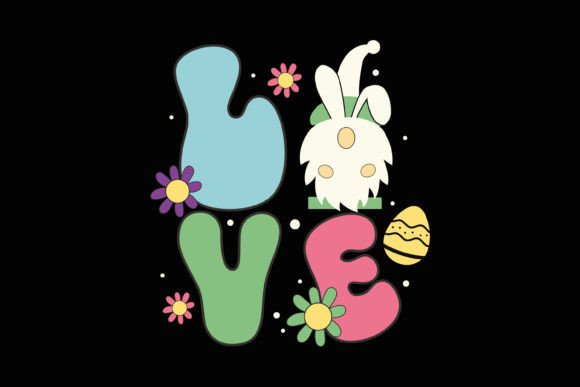
The immediate appeal of the Retro Easter Teacher SVG Design Bunny is its distinct visual personality. It avoids the overly cutesy or generic aesthetic that saturates the holiday market, opting instead for a vintage-inspired charm that resonates with current trends in handmade products. The lines are confident yet playful, suggesting a design that was originally drawn with ink or paint before being digitized. For an embroidery project, this is crucial. Clean, deliberate lines in the vector stage usually predict better stitch definition later.
From a layout perspective, the composition feels balanced. It does not suffer from awkward negative space that often plagues converted graphics. When I visualize this as an embroidered patch or a center chest placement on a sweatshirt, the proportions hold up. The retro styling implies a specific color palette—muted pastels, warm creams, and faded greens—which aligns perfectly with the "100 Color Changeable" feature noted in the product specs. This flexibility allows us to adapt the design for various fabric textures without losing its core identity.
Real-World Application: The Teacher Appreciation Tote Test
To truly judge this asset, I applied it to a real-life scenario: creating a custom embroidered tote bag for a teacher appreciation gift. Teachers are a significant demographic for personalized gifts, and they appreciate items that feel thoughtful rather than mass-produced. I chose a natural canvas tote, a staple in any craft business inventory, to test how the Retro Easter Teacher SVG Design Bunny performs on textured fabric.
The translation from SVG to stitch required mindful preparation. Because the original file is a high-resolution 300dpi graphic intended for print, I had to interpret the visual elements into stitch types. The bold outlines of the bunny translated beautifully into satin stitch borders, providing a crisp edge that stands out against the canvas weave. The internal details, which might be flat color in a poster print, were reimagined as fill stitches with varying densities to create depth. The result was a professional-looking tote bag design that felt substantial and high-value. The retro aesthetic elevated the perceived worth of the item, making it suitable for boutique pricing rather than bargain-bin crafting.
Navigating Fabric Variables and Hoop Constraints
While the design is versatile, it demands respect for material limitations. During my review process, I considered where this design might fail if used carelessly. The intricate nature of retro illustration means there are likely small details that could get lost on highly textured fabrics like terry cloth or thick fleece. If you are planning baby embroidery on a plush blanket, you may need to simplify the design or use a heavier underlay to prevent the stitches from sinking.
Hoop size is another critical factor. This design has enough presence to work as a standalone statement piece, but users must verify dimensions before committing to small hoops. Attempting to shrink a complex retro illustration too much can lead to thread breaks and muddy details. Conversely, stretching it too large without adjusting stitch density can result in a stiff, bulletproof area on a lightweight t-shirt. Always check your stabilizer choice; for the tote bag test, a medium-weight cutaway provided the necessary support to keep the registration tight, especially around the curved ears and facial features.
I would also advise caution when using this on stretchy performance wear or dark fabrics without proper testing. The retro color scheme relies on contrast. On a dark navy sweatshirt, the standard pastel thread colors might look washed out unless you add a white underlay base or adjust the palette to brighter, more saturated tones. The "easy change color" capability of the source file is a massive advantage here, allowing you to swap hues digitally before generating your embroidery file to ensure visibility and impact.
Commercial Viability for Makers and Sellers
For Etsy sellers and small shop owners, the Retro Easter Teacher SVG Design Bunny offers strong commercial potential beyond just Easter. The retro style has year-round appeal in the nursery decor and vintage apparel niches. However, professionalism dictates that we do our due diligence. Before listing any finished product or digital embroidery file derived from this asset, confirm the licensing terms. Ensure you have the right to sell physical goods versus digital derivatives. Trust is the currency of the handmade community; nothing erodes customer confidence faster than copyright ambiguity.
In terms of marketing, this design excels in printable mockups. Because the source includes EPS and SVG formats at 300dpi, you can create stunning digital previews for your online listings before stitching a single sample. This is invaluable for testing market demand. I recommend creating mockups on both light and dark backgrounds to show customers the versatility. When photographing the actual embroidered product, pay attention to lighting. Retro designs rely on subtle shading and texture; flat lighting can make the embroidery look two-dimensional. Natural side-lighting will highlight the sheen of the thread and the dimensionality of the stitch work.
Essential Pre-Stitch Checklist for Success
Based on my evaluation, here are practical notes for anyone integrating this design into their workflow:
- Test on Scrap Fabric First: Never run a new conversion directly on a client’s garment. The transition from vector to stitch always requires tuning.
- Verify Thread Contrast: Retro palettes can be low-contrast. Test your thread colors against your specific fabric to ensure the design reads clearly from a distance.
- Check Stitch Density: Since this originates as a graphic, ensure your digitizing software hasn't auto-generated excessive density that could pucker lightweight fabrics.
- Inspect Small Details: Zoom in on the eyes, nose, and any text elements. If they are smaller than 4mm, consider simplifying them to running stitches or removing them entirely to maintain clarity.
- Stabilizer Selection: Match your stabilizer to the fabric weight. Canvas needs cutaway; knit t-shirts need fusible mesh plus tear-away topping.
- Licensing Confirmation: Double-check whether the included license covers commercial embroidery sales or only personal use.
- Mockup Variety: Use the high-res source files to create diverse product previews, showing the design on mugs, shirts, and totes to maximize buyer engagement.
Final Thoughts on Design Integrity
The Retro Easter Teacher SVG Design Bunny is more than just a seasonal novelty; it is a robust foundation for creative entrepreneurship. Its strength lies in its stylistic coherence and technical cleanliness. Whether you are producing custom apparel for a local school event, stocking your online shop with unique holiday gifts, or expanding your digital asset library, this design holds up under scrutiny. It respects the intelligence of the maker and the taste of the end consumer. By approaching it with technical mindfulness and creative intention, you can transform a simple graphic into a cherished, high-quality handmade product that celebrates both the season and the art of embroidery.