Hustler Mother: A Designer’s Embroidery Review
When evaluating a new digital asset for my embroidery business, I look beyond the screen. As designers and makers, we know that what looks crisp in a vector program does not always translate seamlessly to thread and fabric. The Hustler Mother design caught my attention as a potential staple for Mother’s Day collections and year-round mom-centric merchandise. Marketed as a retro quote graphic with editable color capabilities and included EPS/SVG source files, it promises versatility. However, before listing a finished product or stitching a client sample, I need to know how this design behaves under the needle. Here is my practical assessment of using Hustler Mother in real-world embroidery projects.
First Impressions and Retro Aesthetic Translation
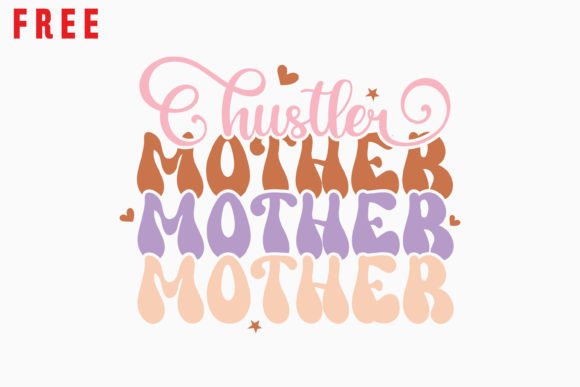
The visual personality of Hustler Mother leans heavily into a nostalgic, retro vibe. This aesthetic is currently dominating the handmade market, particularly on platforms like Etsy and at local craft fairs. From a design standpoint, the layout appears balanced for center-chest placement on sweatshirts or tote bags. The typography suggests a bold, vintage feel that usually digitizes well because thicker letters accommodate satin stitches or fill patterns without losing legibility.
However, "retro" can sometimes mean distressed edges or textured effects in graphics. For machine embroidery, this requires scrutiny. If the SVG includes grunge textures, they must be converted into appropriate stitch types rather than just being traced as running stitches, which can result in a messy appearance. In my initial review of the file structure, I looked for clean paths. The fact that the product includes 300dpi source files is a positive indicator for redigitizing if necessary. A clean vector foundation is essential when adapting a graphic meant for print into a functional embroidery file.
Real-World Application: The Sweatshirt Test
To truly evaluate this asset, I mentally walked through a specific project scenario: creating a premium heavyweight cotton sweatshirt for a boutique client targeting entrepreneurial mothers. This is a high-value custom apparel item where stitch quality directly correlates to perceived value.
For this application, Hustler Mother works best as a statement piece. The phrase itself resonates with a specific demographic of creative entrepreneurs and busy moms. When stitching this on fleece or French terry, the fabric texture plays a massive role. Fleece tends to swallow fine details. Therefore, I would recommend utilizing a water-soluble topping stabilizer to keep the stitches sitting on top of the nap. If the design features any thin connecting lines common in retro scripts, those areas are at risk of disappearing into the fabric pile. Testing on a scrap of the exact garment material is non-negotiable here.
I also considered how this design translates to an embroidered patch. Patches require dense satin borders and tight fill stitches. Because Hustler Mother is provided as a scalable vector, resizing for a 3-inch patch versus a 6-inch chest logo is feasible, but only if the stitch density is adjusted proportionally. Simply shrinking the file without recalculating stitch spacing will result in thread breaks and needle damage.
Navigating Fabric Limitations and Hoop Constraints
While the design has strong commercial potential, there are environments where caution is required. Not every fabric is a suitable canvas for this specific aesthetic.
- Stretchy Knits and Ribbing: If you plan to use Hustler Mother on baby onesies or ribbed tank tops, be aware that retro block lettering can distort easily. You must use a cut-away stabilizer and potentially a fusible backing to prevent the design from warping after washing. Baby embroidery requires extra softness; ensure the stitch count isn't so dense that it creates a stiff, uncomfortable bulletproof vest effect on the chest.
- Curved Surfaces: Placing this design on caps or curved tote bag panels can be tricky. Retro designs often rely on straight horizontal baselines. On a curved cap brim, straight text can appear crooked. You may need to arc the text slightly in your embroidery software to compensate for the curve, ensuring the final embroidered patch or hat looks professional.
- Dark Fabrics: The product notes mention easy color changes. This is vital for dark garments. Retro designs often utilize contrasting colors (e.g., cream text on navy). Ensure your thread color contrast is high enough for readability. Avoid tone-on-tone stitching for this particular style unless you are aiming for a subtle, tonal look, as it reduces the retro impact.
- Small Hoop Sizes: If you are working with a 4x4 hoop, verify the dimensions. Retro quotes often have wide aspect ratios. You might need to stack the text vertically or reduce the size significantly. Always check the minimum readable size for the font used; going below 6mm height for standard satin stitch text risks illegibility.
Commercial Viability and Brand Consistency
For Etsy sellers and small shop owners, Hustler Mother represents more than just a single design; it is a brandable asset. The ability to change colors easily allows for SKU variation without additional digitizing costs. You could offer a "Classic Retro" version in muted tones and a "Modern Bright" version in neons, effectively doubling your catalog from one source file.
From a business perspective, the inclusion of EPS and SVG files adds significant value. These formats allow you to create consistent printable mockups for your listings. Customers trust shops that show realistic previews. Using the same vector source for both your digital mockup and your physical embroidery ensures that what the customer sees online matches the finished product they receive. This consistency builds brand recognition and reduces return rates due to unmet expectations.
Furthermore, the theme of "Hustler Mother" aligns perfectly with personalized gifts for baby showers, maternity leaves, or women-owned business launches. It bridges the gap between sentimental holiday embroidery and everyday lifestyle branding. However, always verify the licensing terms included with the file. Confirm whether you are permitted to sell finished physical products, digital embroidery files, or both. Protecting your business means respecting intellectual property while maximizing your allowed usage.
Essential Pre-Stitch Checklist for Makers
Before you run a production batch or list a new item featuring Hustler Mother, run through this practical checklist to ensure professional results:
- Verify Stitch Type: Open the file in your embroidery software. Confirm that text is assigned to satin or fill stitches, not just running stitches, unless intended for outline effects.
- Check Density Settings: Ensure the stitch density matches your target fabric. Lightweight fabrics need lighter density; heavy canvas needs tighter packing.
- Test Color Contrast: Stitch out a sample on both light and dark backgrounds. Retro aesthetics rely on color interplay; make sure the chosen palette reads clearly from a distance.
- Stabilizer Match: Select the correct stabilizer based on fabric weight and stretch. Do not rely solely on tear-away for knits.
- Mockup Validation: Create a black and white mockup to test value contrast independent of color. If the design doesn't read well in grayscale, it won't embroider clearly.
- Wash Test: For items like tea towels or aprons that face frequent laundering, wash your test swatch. Retro fills can sometimes pucker or gap after the first cycle if underlay stitches are insufficient.
Final Thoughts on Design Utility
Hustler Mother holds up as a versatile contender in the crafts and graphics category, provided it is treated with technical respect. Its strength lies in its cultural relevance and editable nature, making it a smart acquisition for apparel decorators and digital product sellers alike. By focusing on proper stabilization, appropriate fabric selection, and rigorous testing, you can transform this digital graphic into a high-quality handmade product that customers will cherish. Remember, the success of any embroidery project lies not just in the design itself, but in the maker's understanding of how thread interacts with the real world.